Innovative visualisation methods for landscape development and restoration: feasibility study in Cameroon
Biodiversity and management of natural areas Land use Support for communities


Biodiversity and management of natural areas Land use Support for communities
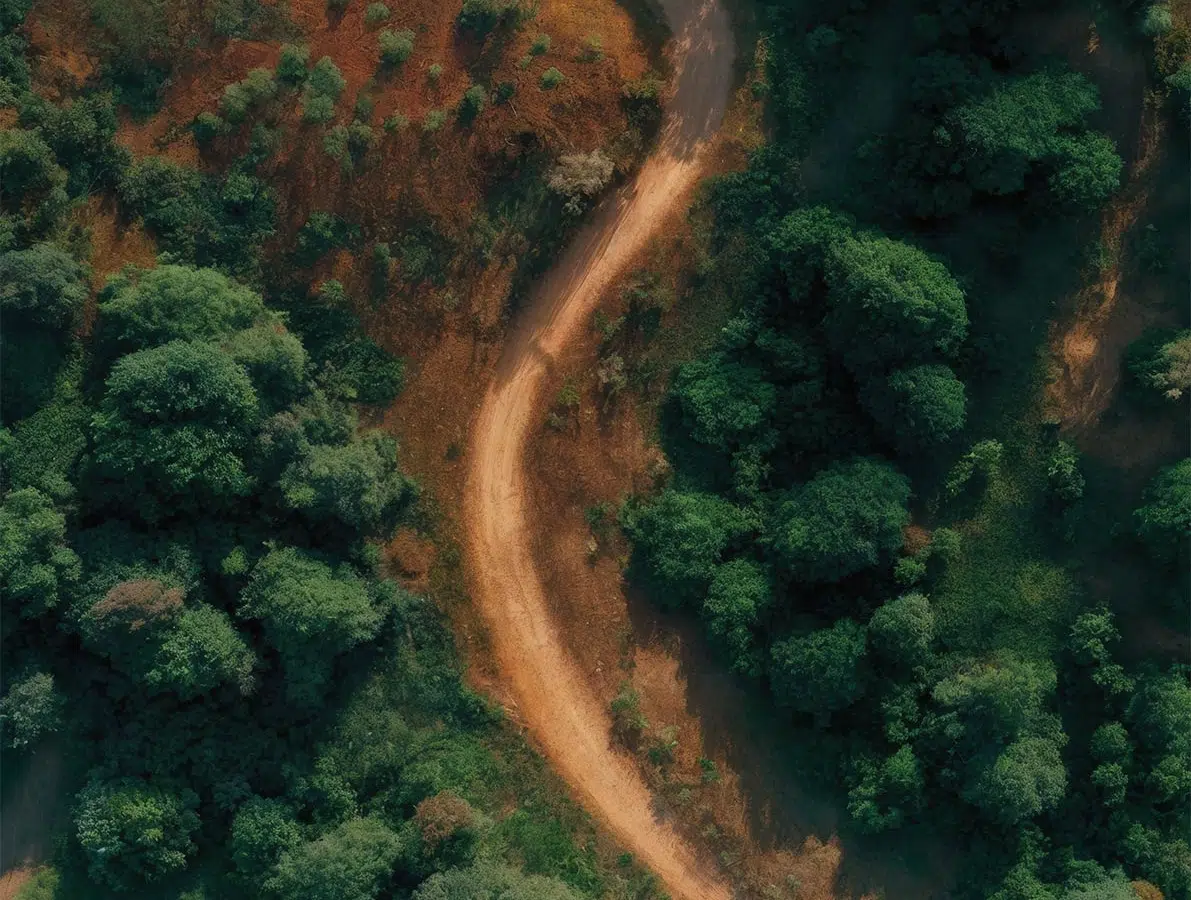
The municipality of Lagdo has been selected by ProFE (Forest and Environment Programme) as a pilot area under the AFR100 initiative (a pan-African initiative aimed at restoring 100 million hectares of degraded land in Africa by 2030), due to the significant pressures on its territory.
The area has experienced sustained population growth and significant population movements since the construction of the dam, leading to increased competition for access to resources. It is also characterised by a wide diversity of stakeholders and ethnic groups, with sometimes divergent land uses and claims.
At the same time, unregulated logging, for both commercial and domestic purposes, is contributing to advanced land degradation and undermining the Lagdo forest massif, which is currently in the process of being classified. This complex and evolving context fully justifies the implementation of participatory and visualisation tools to support communities in defining restoration scenarios tailored to local challenges.
The feasibility study was conducted in four complementary phases, from the initial scoping to the final analysis of the results.
Phase 1 — Scoping and documentary analysis
This first stage made it possible to clarify the objectives, expectations and scope of the intervention, while gathering available information on the targeted landscape. It resulted in a methodological scoping note validating the mission’s guidelines.
Phase 2 — Conceptualisation of FORLAND tools
In collaboration with GIZ, ONFI adapted and conceptualised the FORLAND tools for field testing. An interim report detailed:
• the content of the tools used,
• the planned course of the mission,
• evaluative questions related to feasibility. This deliverable was validated by ProFE.
Phase 3 — Field testing of FORLAND tools
This phase corresponds to the operational implementation of the tools in the target villages. The observations, feedback and results from this stage form the basis of the final report.
Phase 4 — Analysis, feedback and reporting
The final phase involved analysing the feedback from the field and presenting the results to the stakeholders. It resulted in:
• a presentation of the results obtained in the villages,
• an analysis of the feasibility of the tools in the local context,
• a final presentation to sectoral organisations and cooperation partners, highlighting the key conclusions and prospects.

2 areas
Two pilot municipalities involved: Lagdo and Ngong

2 tools
Two tools combined for a unique approach: a tailor-made role-playing game and a GIS platform.

2 plans
2 development scenarios jointly developed by each municipality
The project aims to test a participatory approach to developing land use scenarios, with a strong focus on forest restoration, in two municipalities in northern and far northern Cameroon. The tools used — participatory role-playing and the FORLAND digital platform — enable the production of reliable data and solid lessons for developing landscape evolution scenarios.
This experiment serves as a basis for defining a clear action plan for the next steps: deepening the participatory process, discussing the scenarios with all stakeholders, and setting up a system for monitoring field activities via the FORLAND platform.
In practice, this involves proposing a structured participatory process in which tools are designed, tested and progressively updated, while all data is centralised and ready for use. This platform will then become an operational support tool for land management and forest restoration within the framework of the AFR100 sub-projects.

Local actors simulate development decisions to jointly construct restoration scenarios.

The workshop coordinated and led by the NFB International team
.
In the pilot municipalities of Lagdo and Ngong, the study led to the introduction of innovative methods for rethinking land use planning with local communities.

South America
TerrAmaz - Amazonian territories
TerrAmaz – Amazonian Territories is a program that supports the development of Amazonian territories.
See the project
South America
TerrAmaz - Amazonian Territories
TerrAmaz - Amazonian Territories is a programme that supports the development of Amazonian territories.
See the project
South America
Caminemos Territorios Sostenibles - Integrated rural development for peace in Guaviare
The TerrAmaz project works to sustainably improve living conditions in rural areas of the department of Guaviare through integrated territorial management and strengthened essential services.
See the project