

Context
In a context where the integrity of forest carbon credits is receiving increasing attention, our team was commissioned to carry out a comprehensive due diligence of a forest conservation project located in the heart of the Amazon (Brazil).
Our mission is to verify the project’s compliance with Verra (VCS) standards, analyse the robustness of the baseline scenario, assess ESG risks, non-permanence risk and leakage risk, and make operational recommendations to strengthen the credibility and overall robustness of the project.
Activities carried out
- Analysis of compliance with IFM VM0011 methodology and VCS Standard (v4.6).
- Verification of eligibility of the scope, legality of the forest management plan (1998–2009) and consistency of project documents.
- Analysis of the reference scenario and forestry data (DOF, PRODES, IBAMA).
- Additionality review: temporary halt to logging, financial viability, analysis of barriers.
- Assessment of non-permanence risk using the NPRT 2024 tool.
- In-depth analysis of the risk of leakage, including the application of Verra’s new default factors.
- Analysis of carbon performance, potential dynamic baseline and current methodological gaps.
- ESG review: governance, land use conflicts, social and institutional risks
- Development of strategic and operational recommendations for project compliance and improvement.
The project in figures

2 M
tonnes of CO2 absorbed

10 000
Over 10,000 hectares of forest
Project details
The initiative aims to protect a vast forest area threatened by deforestation by working with local communities, authorities and economic actors to promote sustainable practices.
Our mission is to conduct an in-depth analysis of the project design, its emission reduction mechanisms, the quality of the data used, and how environmental, social and governance risks are anticipated and managed.
We also examine the consistency between the planned activities in the field, the expected benefits for local populations and the commitments made under international carbon certification standards.

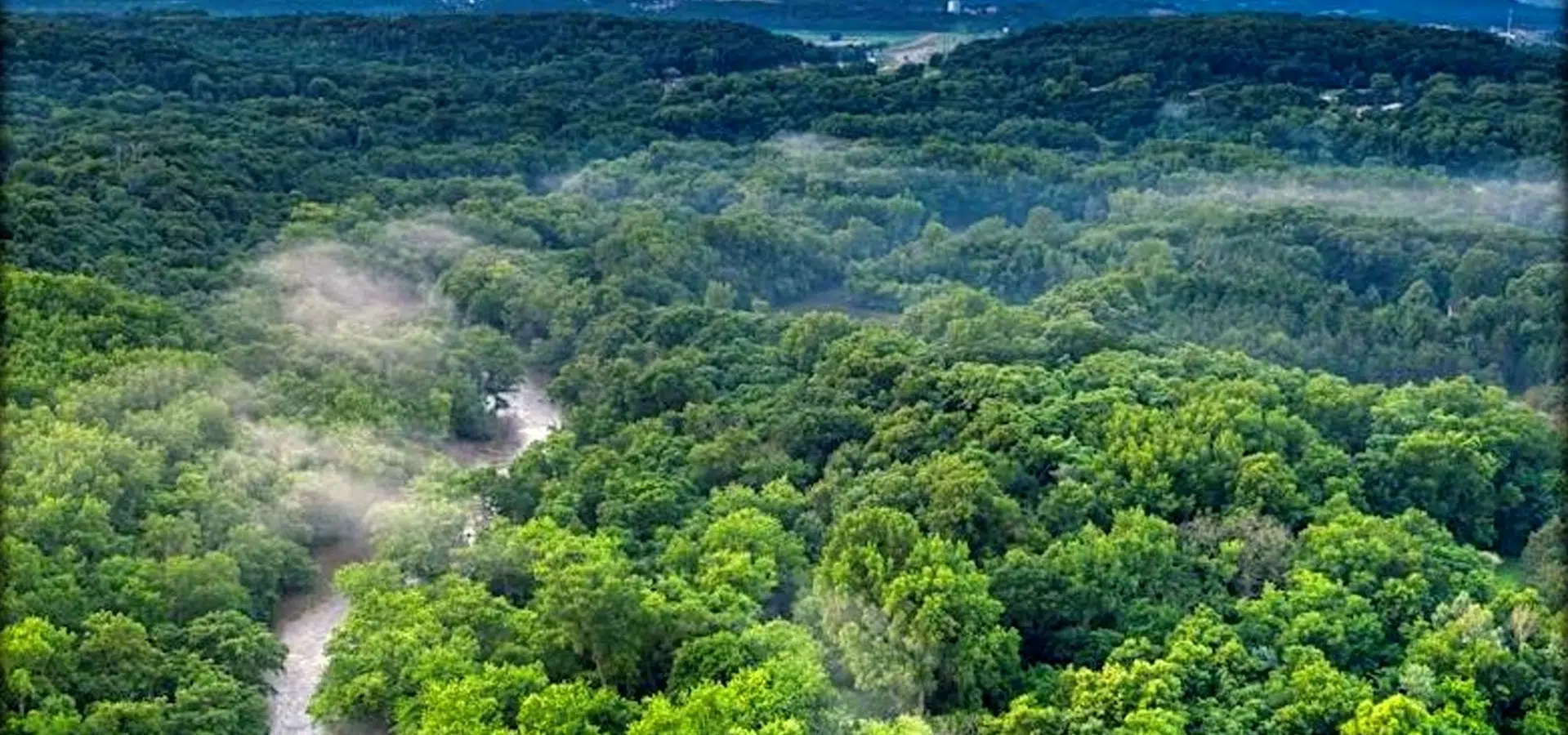
View of the Amazon rainforest during the field mission
Expected results
- An independent and transparent assessment of the technical soundness of the project and its alignment with Verra standards (VCS).
- A clear analysis of risks (ESG, non-permanence, leakage) to identify areas of concern and necessary corrective measures.
- Operational recommendations to strengthen the credibility of the project, improve data quality and consolidate monitoring mechanisms.
- Greater assurance for investors and partners, thanks to a clear picture of the project’s integrity and its real potential for reducing emissions.
- Support for the implementation of sustainable actions contributing to the protection of the Amazon rainforest and local development.
- Certifications and standards
- VCS (Verified Carbon Standard)
- Budget
- 115 000€
- Beneficiaries
- Local communities
- Donor
- Confidential - A large industrial company
Other projects to discover

South America
Fazenda São Nicolau – Forest Carbon Sink
The Fazenda São Nicolau is an emblematic forest restoration and sustainable management project developed by ONF International in the state of Mato Grosso, Brazil, since 1999.
See the project
South America
REDD Huila Project in the Regional Natural Park Guácharos - Puracé Biological Corridor
The REDD Huila project aims to reduce 3.2 million tCO₂e over 30 years while protecting biodiversity and water resources and improving the living conditions of more than 1100 families in Huila-Colombia
See the project
South America
Sustainable Forest Territories 'Tefos'
TEFOS 3 improves livelihoods in priority deforestation areas by strengthening sustainable practices, market access, and incentives for forest conservation.
See the project