


Context
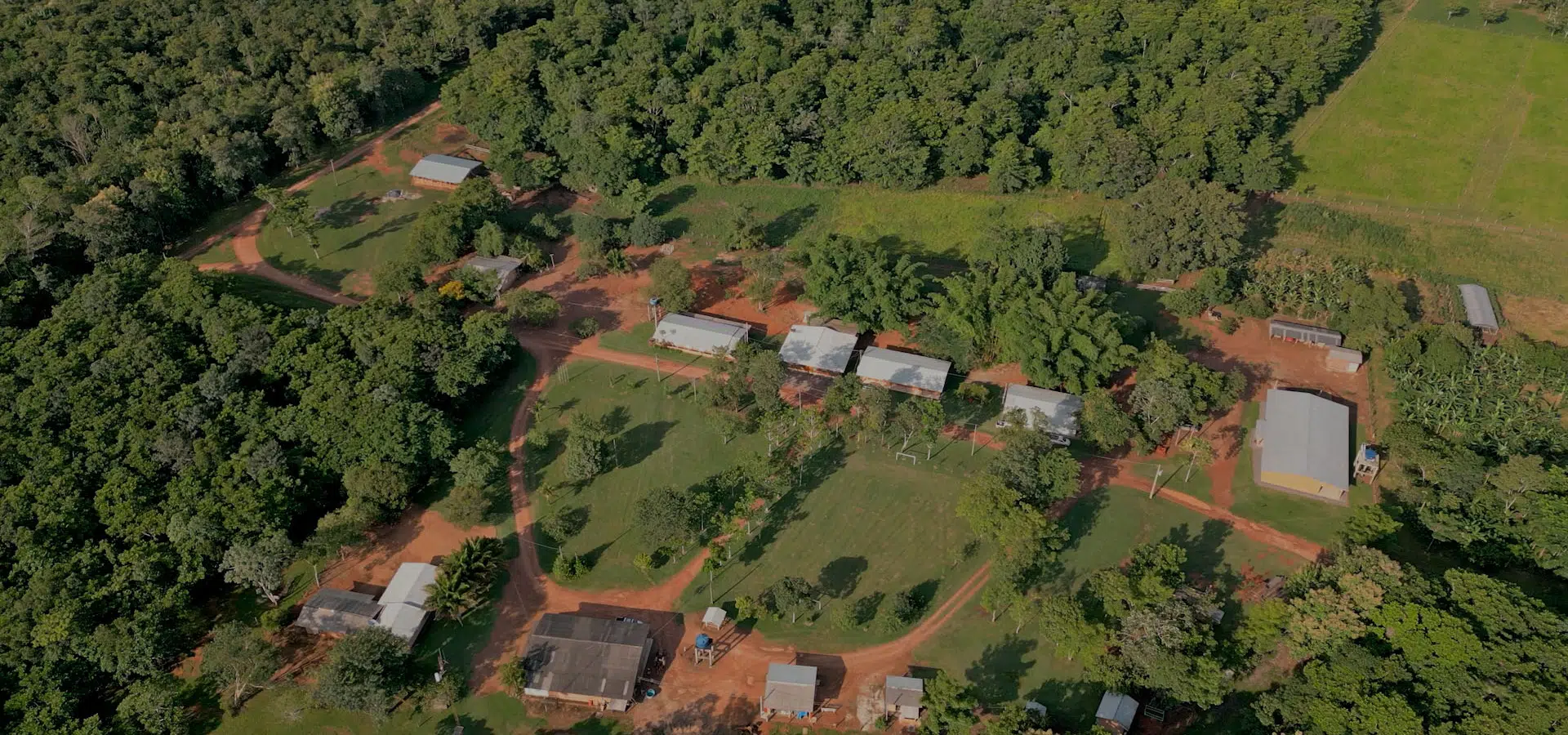
Initiated in 1999 in the northwest of the Brazilian state of Mato Grosso, the Fazenda São Nicolau forest carbon sink project was developed within the framework of the Kyoto Protocol implementation and global efforts to combat climate change.
Mato Grosso has been one of the states most affected by deforestation since the 1970s due to agricultural frontier expansion. In this context, a reforestation project was launched with the initial objective of studying the impact of reforestation on carbon sequestration.
With a total area of more than 10,200 hectares, the Fazenda includes approximately 8,000 hectares of native Amazon forest and 2,000 hectares of degraded pasturelands. Over time, the project evolved into an integrated platform for research, demonstration, and training, covering topics such as carbon, biodiversity, sustainable forest management, and territorial development.
Activities carried out
- Annual production of approximately 50,000 seedlings of native species through a nursery dedicated to ecological restoration
- Restoration of 120 hectares of critical habitats and riparian areas
- Implementation of independent verification cycles in accordance with international carbon standards
- Forest harvesting carried out under a sustainable management plan approved by environmental authorities
- Management of 5,350 hectares under reduced-impact logging on a 5-year cycle followed by a 30-year regeneration period
- Development of a demonstration site for reduced-impact logging best practices and wood traceability tools
- Scientific monitoring of the ecological impacts of forest harvesting in tropical forests (TmFO)
- Promotion of non-timber forest products, particularly Brazil nut harvesting under a sustainable management plan
- Implementation of national and international research activities on wildlife, flora, and forest ecosystems
- Development of applied research projects, particularly in the health sector (cancer and malaria research)
- Development of educational and training activities on the role of forests and sustainable development
- Establishment of economic and social partnerships with local communities (support to income-generating activities and territorial integration)
- Research projects with applications in the fight against cancer and malaria

2 000 ha
reforested on degraded lands with more than 50 native species

2,5
millions of trees planted

+700.000
tonnes of CO₂ equivalent already sequestered and converted into carbon credits

+2000
species recorded (500 bird species, 160 reptile and amphibian species, 60 mammal species)

The nurseries of Fazenda São Nicolau produce thousands of native seedlings each year, essential for restoring degraded lands and conserving biodiversity.

A multidisciplinary technical team ensures the sustainable management of Fazenda São Nicolau by combining forestry expertise, scientific monitoring, and environmental innovation.

The ecological richness of Fazenda São Nicolau is reflected in the diversity of its wildlife, with more than 160 species of reptiles and amphibians recorded.

Fazenda São Nicolau hosts remarkable biodiversity, with more than 2,000 species recorded, including over 500 bird species.
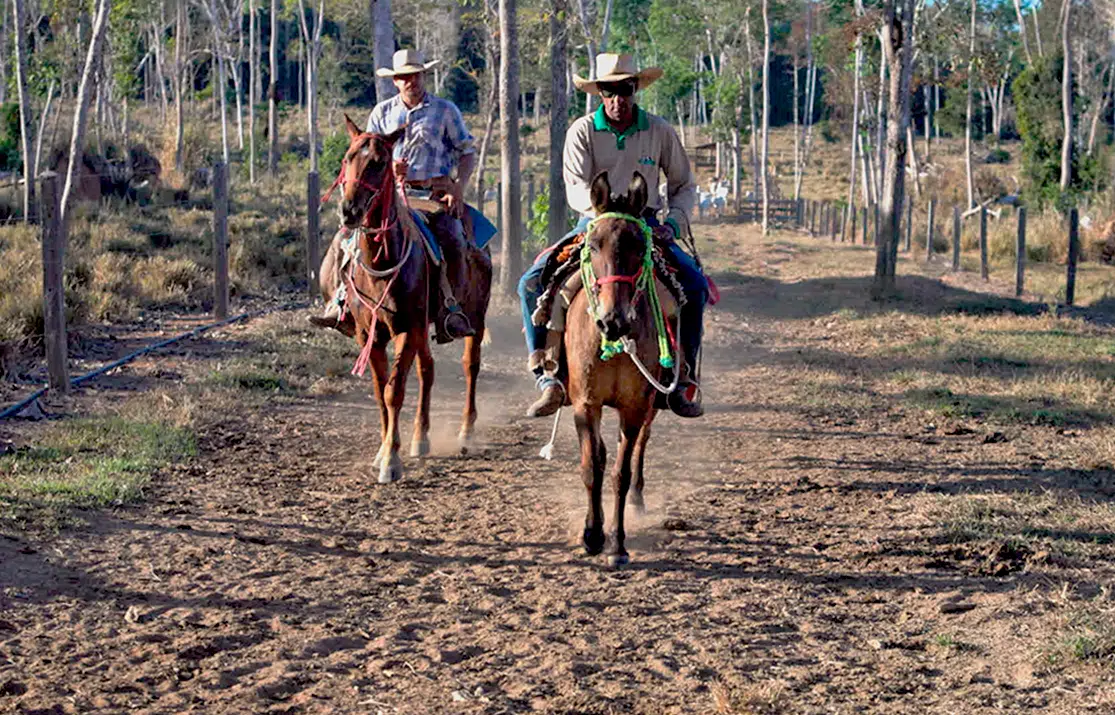
The ONF Brazil team at Fazenda São Nicolau implements ecological restoration and sustainable forest management practices based on research and field experience.
Expected results
- More than 1 million tonnes of CO₂ expected to be sequestered by 2038
- Progressive restoration of forest cover in areas that were initially degraded
- Contribution to the creation of a strategic ecological corridor for biodiversity
- Sustainable strengthening of local livelihoods and job creation in the forestry and agroforestry sectors
- Generation of additional income for local communities through associated economic activities
- Production of more than 100 scientific publications on biodiversity, carbon, reforestation, and natural forest management
- Training of more than 10,000 learners through environmental education programs
- Recognition of the site as a reference for agroforestry best practices and sustainable forest management in the Amazon
- Certifications and standards
- VCS (Verified Carbon Standard)
Other projects to discover

South America
Caminemos Territorios Sostenibles - Integrated rural development for peace in Guaviare
The TerrAmaz project works to sustainably improve living conditions in rural areas of the department of Guaviare through integrated territorial management and strengthened essential services.
See the project
Africa
Forland: Monitoring deforestation and encroachment on forests in Ghana
Development of a deforestation monitoring system for B-BOVID in Ghana, including mapping, risk analysis, a digital platform and training to support RSPO certification.
See the project
Africa
Technical assistance to Algeria to promote sustainable forest management and fire prevention
Support for Algeria to strengthen sustainable forest management, improve fire prevention, establish an integrated fire management system and develop forestry expertise.
See the project