

Context
The Colombian Pacific region, inhabited mainly by Afro-descendant communities holding collective land titles over more than 5 million hectares, faces growing threats such as illegal logging and mining. These communities, affected by poverty, armed conflict, and limited institutional presence, depend largely on forest exploitation and subsistence agriculture for their livelihoods.
In this context, the project “Unión Natural, Committed to the Territory” was born — an initiative that seeks to conserve biodiversity and combat deforestation by promoting a sustainable, legal, and competitive forest development model. The project aims to strengthen local capacities, generate productive alternatives, and open new economic opportunities for the communities, while ensuring the autonomous management of forests and improving the living conditions of their inhabitants.
Activities carried out
- Assessment of the strengths and weaknesses of institutional actors through an organizational diagnosis and analysis of the resources and competencies of the Regional Environmental Authorities (CAR) and local communities.
- Training for authorities (CAR, Governor’s Offices, Municipalities) and communities on forest management, utilization, and control.
- Diagnosis and evaluation of the tools implemented by the CAR for forest management, monitoring, and control of timber harvesting.
- Analysis of strategies and tools for forest and environmental information management within competent institutions.
- Diagnosis of forest resources and value creation potential in the timber sector, including participatory definition of projects with Local Community Councils.
- Formulation of a Forest Management Plan over approximately 20,700 hectares.
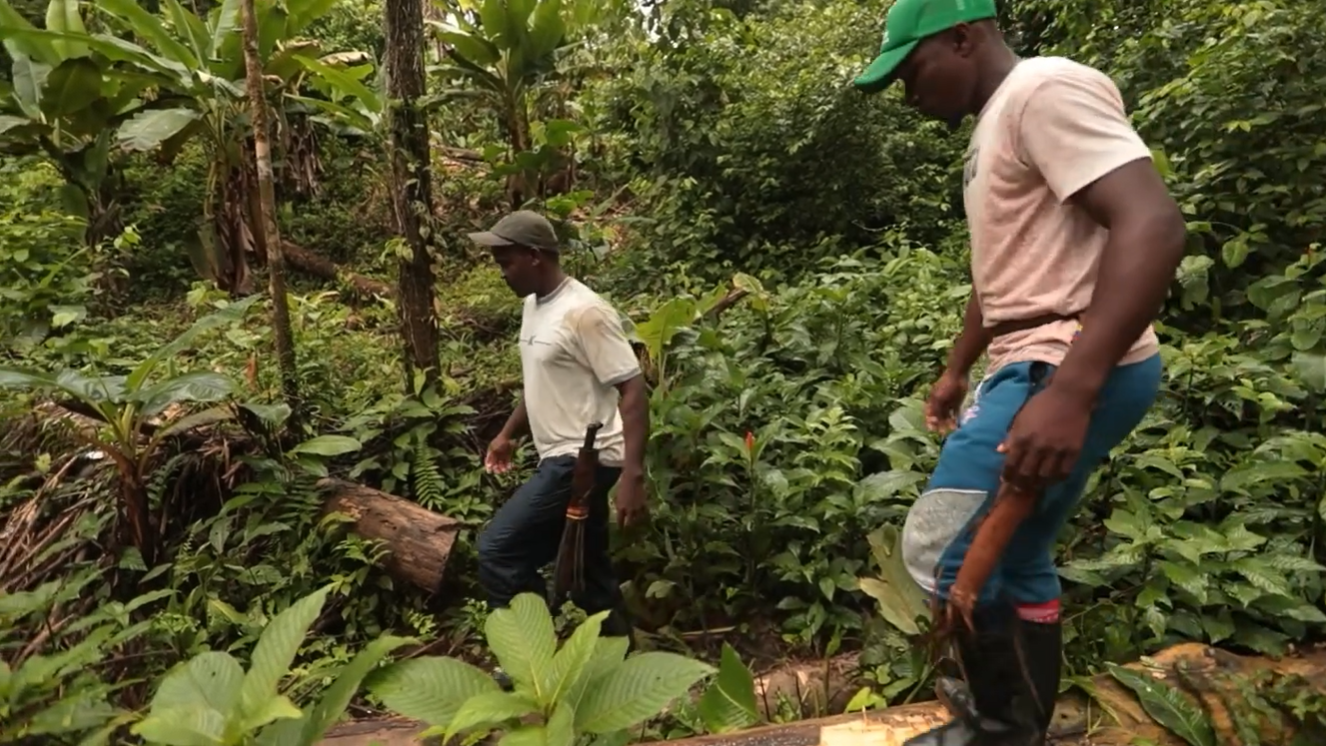
- Implementation of experimental and demonstrative low-impact logging activities in a pilot site.
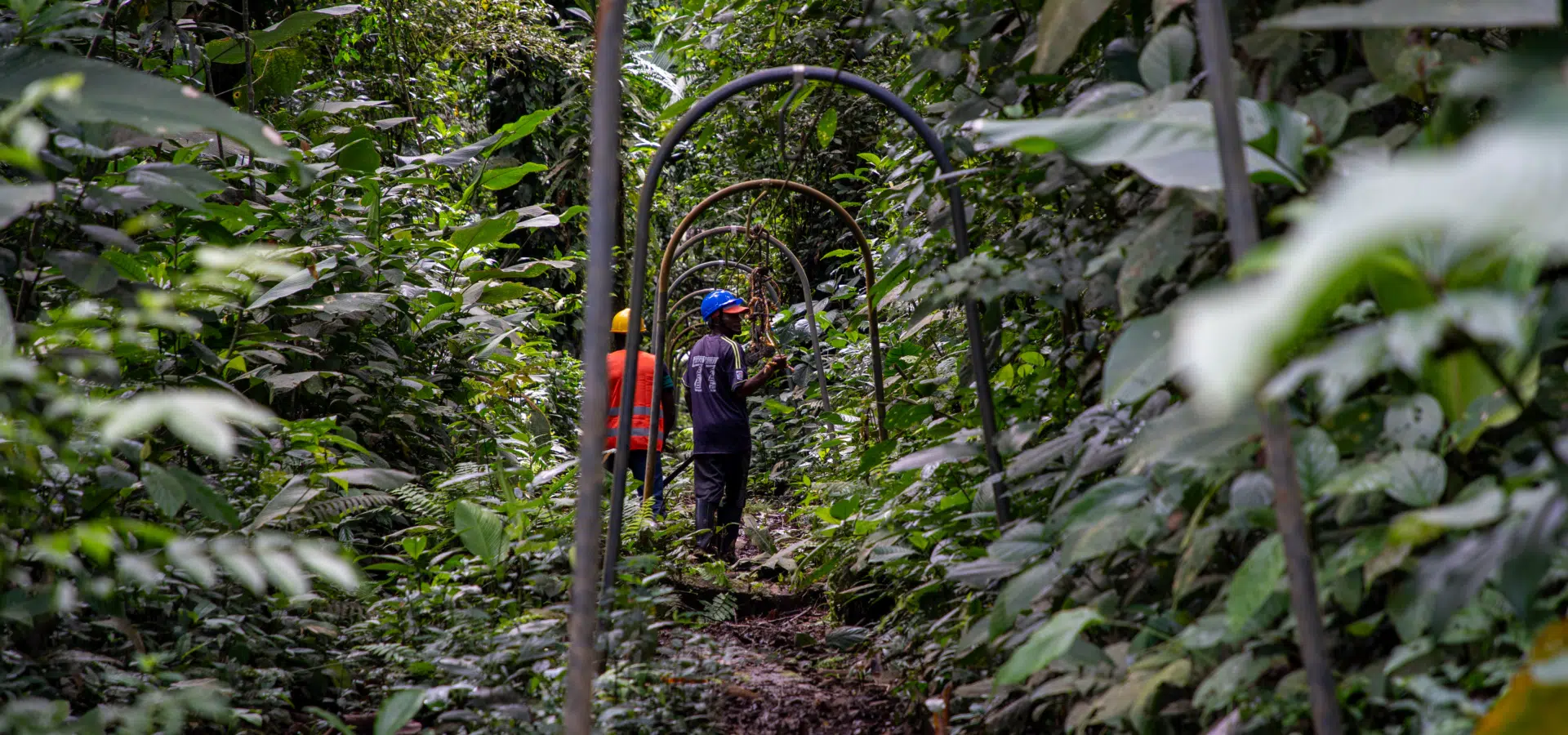
- Installation of a cable system for timber extraction at the pilot site.
- Implementation of a pilot site to improve tools and methods for monitoring timber volumes and traceability.
- Installation of an on-site drying chamber to enhance wood quality and market value.
- Establishment of trade and service committees on sustainable forest management themes, strengthening the capacities of Local Councils and community members.
- Creation of an entity responsible for producing and implementing management and commercial valorization plans for timber — ASOFODEMA.
- Identification of markets and support for the sale of timber from pilot sites, both as raw wood and processed products.
- Design of an innovative private co-financing scheme.
- Diagnosis of agroforestry resources and non-timber forest products.
- Support for productive experiments in pilot territories.
- Development of tools for evaluating and monitoring social, economic, and environmental impacts.
- Project coordination, follow-up of steering, scientific, and operational committees, as well as administrative, financial, and human resource management and evaluation.
- Capitalization of experiences and dissemination of project results.
- Coordination with partner and allied entities for project implementation.
- Liaison with Fondo Acción and AFD/FFEM for strategic decision-making.
- Preparation of technical and financial reports related to project execution.

20000
hectares under sustainable forest management following a low-impact forestry model.

Creation of a community transformation center
A forest cable system and a drying chamber installed and operational.

346
direct beneficiaries

Forest harvesting unit – ASOFODEMA – Unión Natural

Sustainable forest management - ASOFODEMA - Unión Natural

ASOFODEMA - Unión Natural

Sawmill staff -ASOFODEMA - Unión Natural

Conflict management and resolution workshop - ASOFODEMA - Unión Natural
Expected results
- Training for public entities (including Corpourabá) and the community on forest management, low-impact logging, forest inventories, portable sawmills, community nurseries, and snakebite management.
- Sustainable Forest Management Plan for 20,783 ha with a 30-year validity.
- Logging permit for the first harvest: 295.68 ha.
- Design of a 2 km cable system for timber extraction.
- Processing center designed and operational.
- Design and installation of a drying chamber to add value to timber products.
- Formalization of the Community Forestry Association ASOFODEMA.
- Development of a business plan for the commercialization of 11 wood species.
- Signing of 3 cooperation agreements with regional and national universities (UTCh – UD – Externado) for research on forest dynamics, value chains, and wood properties.
- Certifications and standards
- FSC (Forest Stewardship Council)
- Budget
- EUR 1,2 millions
- Partners
- ONF Andina (Colombian branch of ONF International) – technical implementer Ministry of Environment and Sustainable Development Cocomacia Fondo Acción – resource beneficiary, financial manager, and co-implementer Fedemaderas, commercial partner Corpourabá
- Beneficiaries
- The Major Community Council of the Integral Peasant Association of the Atrato (COCOMACIA) brings together nine Local Community Councils, all composed of Afro-Colombian populations: Local Community Council Arenal Local Community Council Vuelta Cortada Local Community Council San Martín Local Community Council Buchadó Local Community Council San José de la Calle Local Community Council La Boba Local Community Council Santa María Local Community Council San Antonio de Padua Local Community Council Palo Blanco. 346 people belonging to these Local Community Councils were direct beneficiaries of the project.
- Donor
- French Facility for Global Environment (FFEM) – main donor. French Development Agency (AFD) – international financing channel. Colombia in Peace Fund, through the Sustainable Colombia Program – national co-financier. ONF Andina (Colombian branch of ONF International) – technical implementer. European Union Commission, Delegation in Colombia, IDEAS Project. Fondo Acción – resource beneficiary, financial manager, and co-executor. 13 co-financing and partner entities – provided complementary resources and technical support for the project’s implementation.
Other projects to discover

South America
Fazenda São Nicolau – Forest Carbon Sink
The Fazenda São Nicolau is an emblematic forest restoration and sustainable management project developed by ONF International in the state of Mato Grosso, Brazil, since 1999.
See the project
South America
Caminemos Territorios Sostenibles - Integrated rural development for peace in Guaviare
The TerrAmaz project works to sustainably improve living conditions in rural areas of the department of Guaviare through integrated territorial management and strengthened essential services.
See the project
Africa
Forland: Monitoring deforestation and encroachment on forests in Ghana
Development of a deforestation monitoring system for B-BOVID in Ghana, including mapping, risk analysis, a digital platform and training to support RSPO certification.
See the project