

Sustainable territorial development
At ONF International, we view forests as living ecosystems at the heart of human, social, and economic dynamics.
Our integrated territorial approach balances biodiversity conservation, carbon sequestration, sustainable use of natural resources, and the improvement of local communities’ livelihoods. In partnership with all stakeholders, we develop inclusive, high-impact projects across diverse contexts—from tropical forests to boreal forests, from wetlands and mangroves to desert landscapes, from lowland forests to mountain forests…
Our expertise spans all aspects of sustainable land management: agroforestry, reforestation, restoration of degraded ecosystems, protection of biodiversity and water resources, and transition to sustainable productive practices. We also work on natural risk prevention and management to strengthen territorial resilience against fires, storms, or landslides.
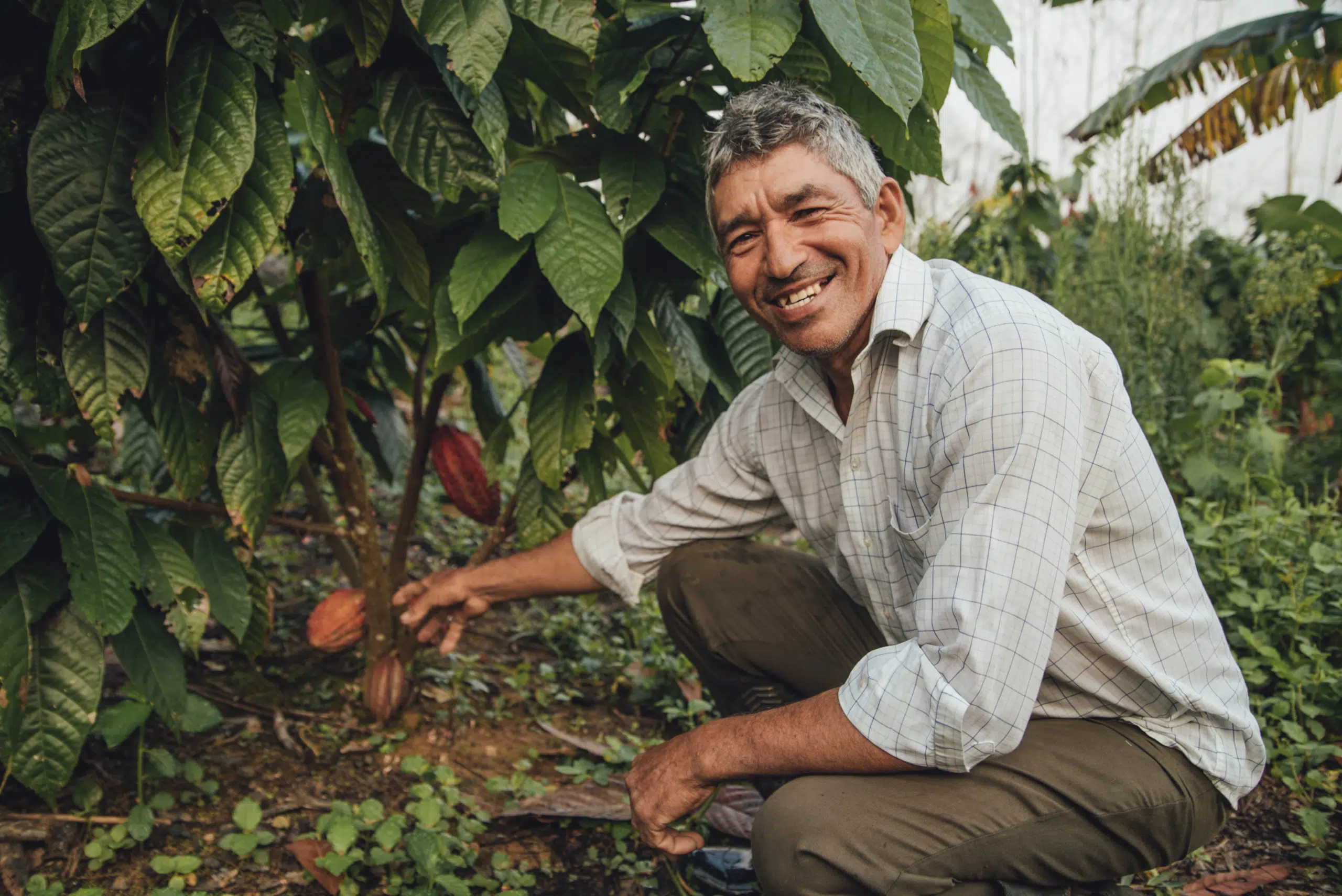
Caminemos Project: a project to rebuild social cohesion and promote sustainable rural development in Guaviare (Colombia), by improving food security, land-use planning, and forest-friendly production systems.
ONF International brings together foresters, producers, authorities, and communities around sustainable projects that are grounded in local realities and oriented towards the future.
Some flagship projects

Central America and the Caribbean
Assessing mangrove carbon: an operational method for Haiti
Development of a simple and reproducible methodology for measuring CO₂ storage in mangroves in Haiti, tested in the field and accompanied by training for MPA managers.
See the projectOur Areas of Intervention
- Conservation and restoration of forests, landscapes, and biodiversity.
- Territorial planning across time and space, for balanced development that sustainably meets the needs of communities and their environment.
- Support for stakeholders in the transition and valorisation of productive sectors, maximising economic, social, and environmental benefits.
- Local governance: design and deployment of decision-support tools, capacity building and knowledge strengthening, and support for informed decision-making to enable effective and sustainable action.
-
View transcript
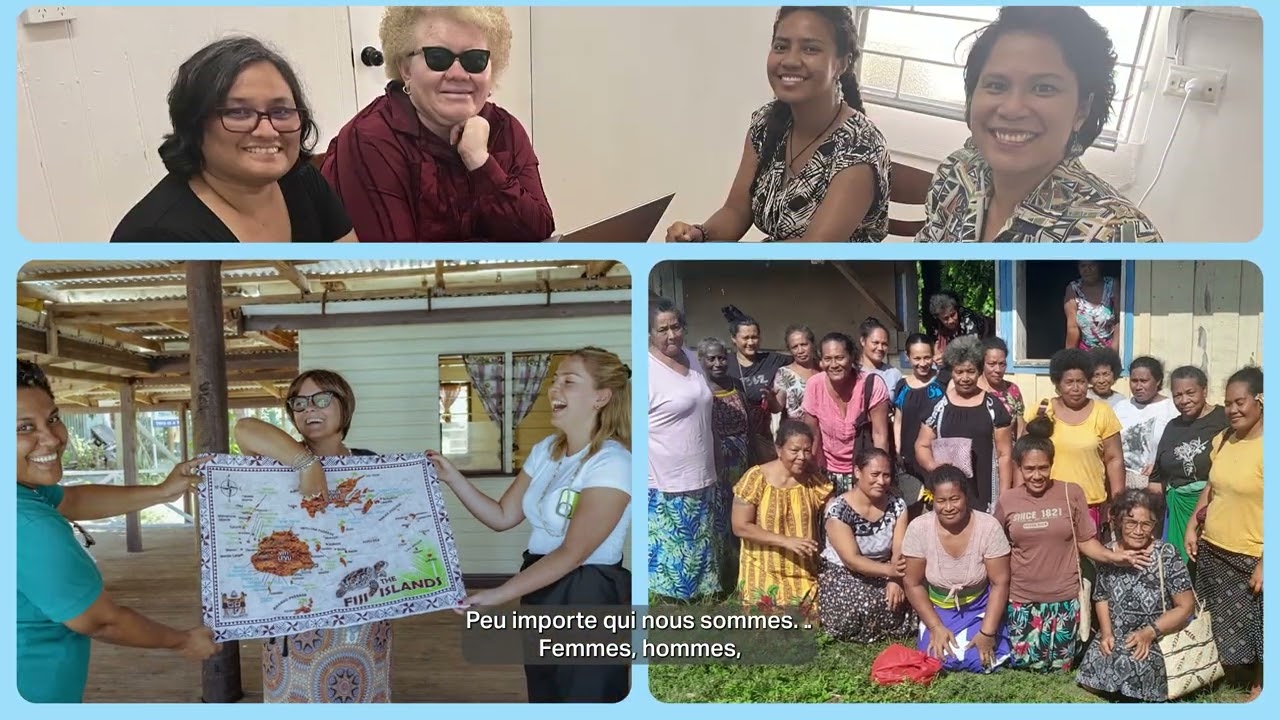
Hello everyone, and thank you for joining us for this presentation of the KIWA project.
KIWA is an innovative initiative aimed at strengthening the resilience of ecosystems in the face of climate change.
This project follows a regional approach, covering several particularly vulnerable island and coastal territories.
The main objective is to protect biodiversity while supporting local communities.
To achieve this, we work in partnership with NGOs, governments, and private stakeholders.
KIWA relies on nature-based solutions, such as the restoration of mangroves and coral reefs.
These actions not only preserve wildlife and flora but also help reduce risks associated with natural disasters.
The project is funded by several international donors, ensuring a sustainable and inclusive approach.
We also focus on building local capacities through training and knowledge exchange.
An important aspect concerns participatory governance, involving communities in decision-making.
KIWA uses precise indicators to measure environmental and socio-economic impact.
Early results show a significant improvement in the resilience of targeted areas.
We have already restored several hectares of wetlands and strengthened the protection of endangered species.
The project also contributes to food security by supporting sustainable agricultural practices.
Special attention is given to integrating traditional knowledge into the solutions offered.
KIWA illustrates the importance of regional cooperation in addressing climate challenges.
We invite all partners to continue actively engaging in this initiative.
Next steps include expanding activities to new priority areas.
Together, we can make KIWA a model of resilience and sustainability for the region.
Let’s embed your project or territory in sustainable development together